

Symmetry, when used in photography is a powerful graphical and compositional tool. Symmetry allows photographers to create extremely strong compositions that draw the attention of a viewer using simple principles. Symmetry simplifies an image, giving it a sense of balance and harmony. It’s an important tool to have in your skillset as a photographer, so let’s explore symmetry as it relates to photographic composition, and learn how we can use it effectively in our photographs.
The use of symmetry in art goes back a few thousand years, and you’ll find it in the work of all artists, so it’s worth studying and understanding so that it can be incorporated into your own work.
What Is Symmetry in Photography?
Symmetry in Photography refers to the use of a balanced composition (especially with mirrored symmetry) to create a visually pleasing image.
Symmetry can be created by having equal elements on either side of an invisible line, such as a horizon line, or by having equal elements arranged around a central focal point. This can be done horizontally, vertically, or diagonally, depending on the desired effect.
Symmetry can be used to create a sense of calm and order in an image, and can be used to draw the viewer’s eye to a particular area. In addition, symmetrical compositions can be used to emphasize a certain feature or to create an aesthetically pleasing image.
Formal Balance
In the world of art and aesthetics, symmetrical balance – where objects have equal weight and importance on two halves of a composition – is often called Formal Balance.
Formal balance is one of the most basic and fundamental techniques when learning about composition. It is also often the easiest the learn, and can quickly be used to produce art that is pleasing to the eye.
Identifying Symmetry
The easiest way to recognize whether an image is symmetrical is to draw a line down the middle of two reflected halves, either vertically or horizontally, and ask whether the two halves mirror each other.
But, is symmetry just another word for ‘reflection’? There’s actually a lot more than just that.
Symmetry In The World Around Us
Symmetry has a number of definitions in various fields. You’ll see the term used in biology, mathematics, physics, geometry, chemistry, and aesthetics. So, let’s keep it simple. We’ll deal with the types of symmetry that you are likely to see in photographs, and these are most closely related to geometry (mathematics) and architecture.
Often the symmetry that you see in photographs is intentional and carefully planned, but often enough it is just a happy coincidence because symmetry is inherently present in everything around us. Think about it: even our bodies are vertically symmetrical. But using symmetry in composition goes beyond just identifying which objects are inherently symmetrical.
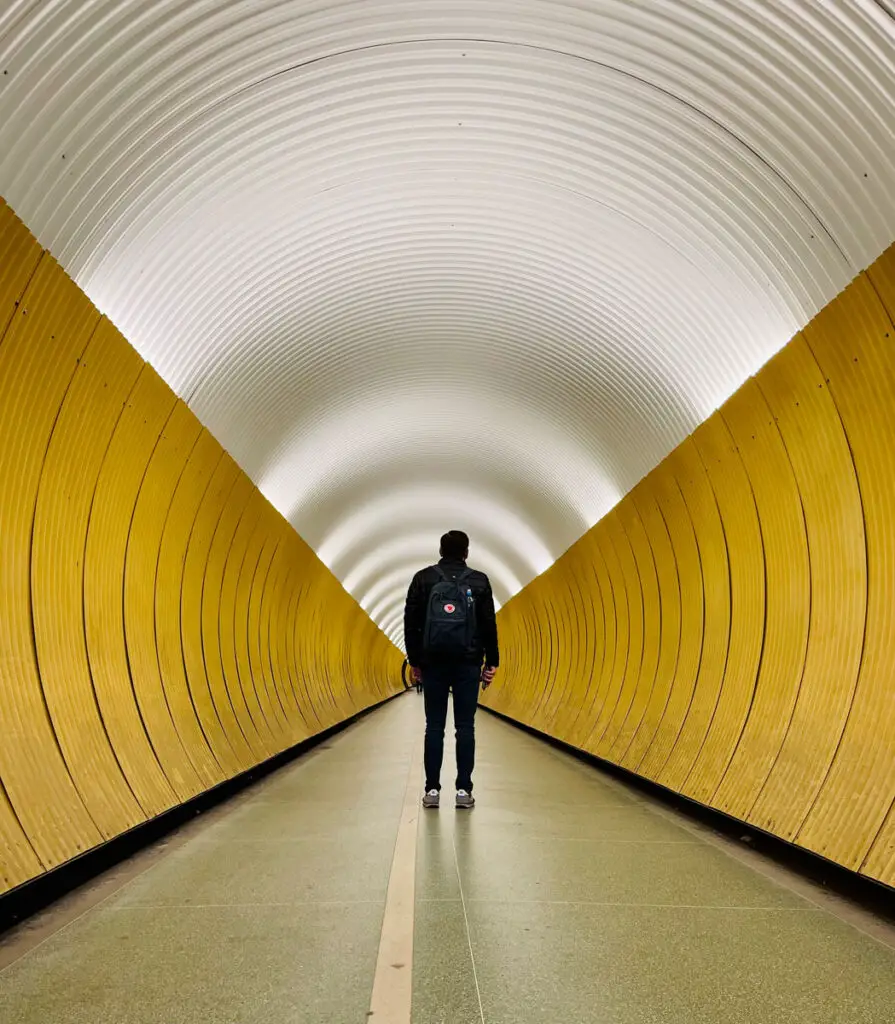
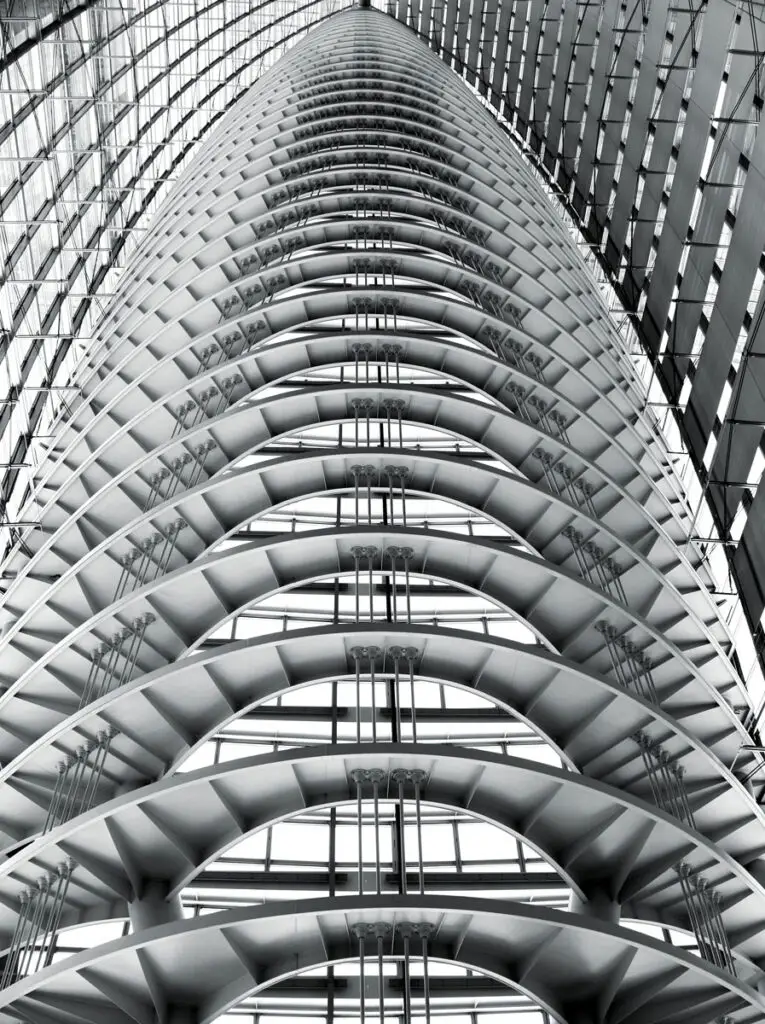
Once you know a little more about symmetry, you will be able to make good use of this compositional tool in your photographs, changing your viewpoint to make good use of the various types of symmetry that exist. Let’s look at some examples of symmetry as used in photography.
Some More Examples of Symmetry: A Gallery





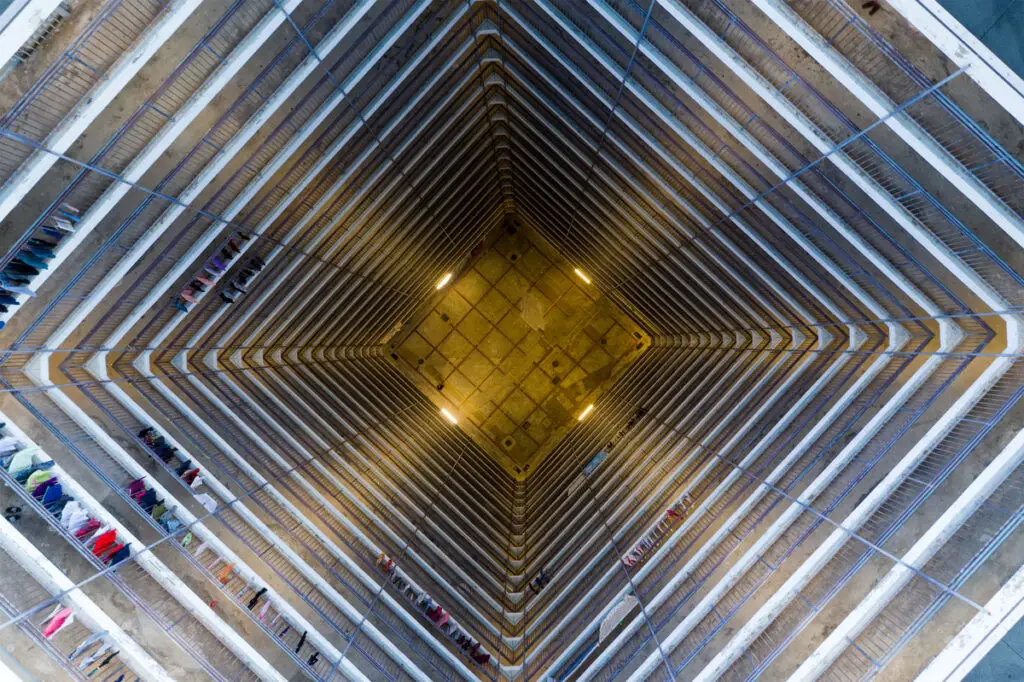
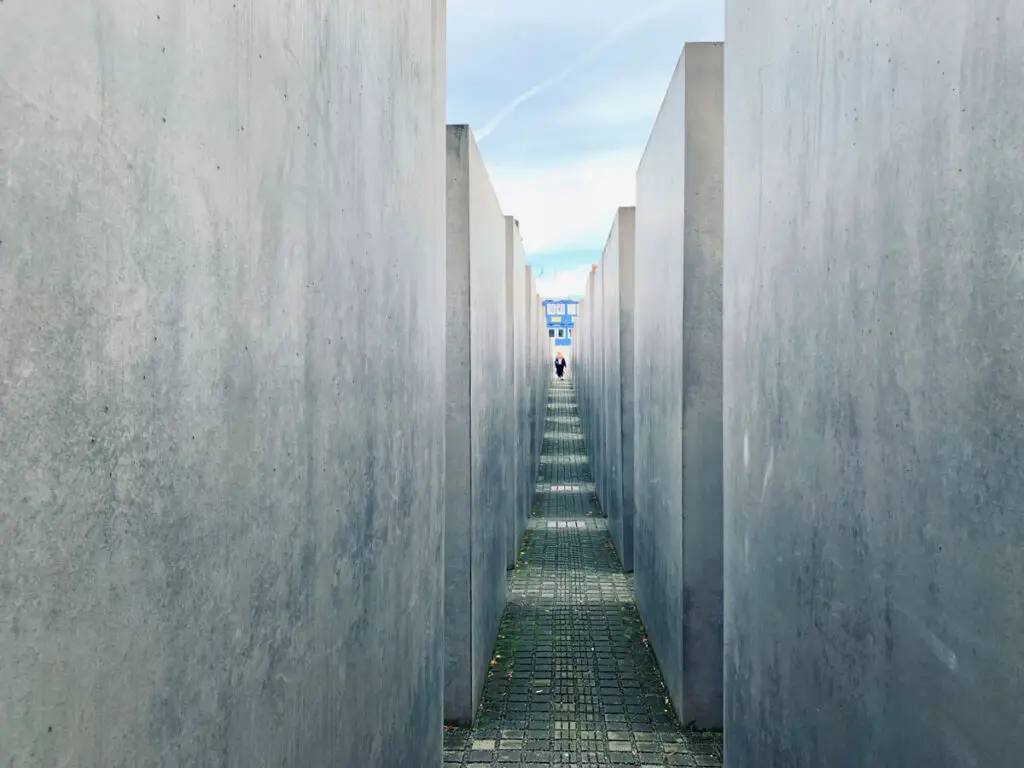











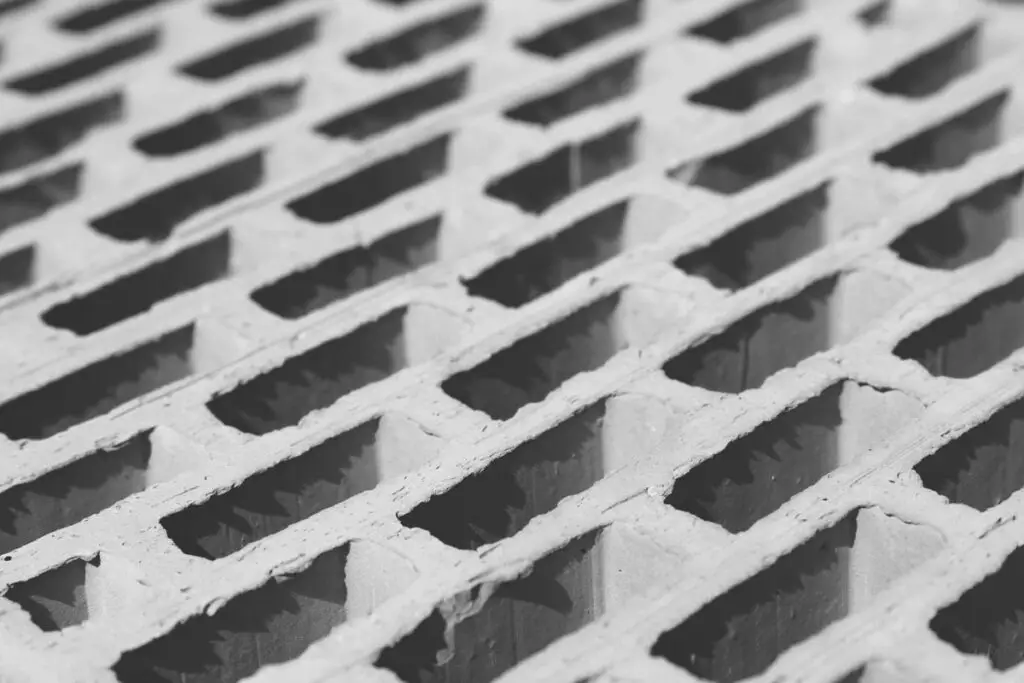

3 Fundamental Types Of Symmetry In Photography
There are 3 fundamental types of symmetry. In geometry, the 3 fundamental types of symmetry are combined to get other sub-types of symmetry. Let’s look at them in turn.
- Reflection Symmetry (also called Mirror Symmetry)
- Horizontal Symmetry
- Vertical Symmetry
- Rotational Symmetry (also called Radial Symmetry)
- Helical Symmetry
- Translational Symmetry
- Glide Reflection Symmetry
Out of all these different types of symmetry, the one that we are most familiar with is reflection or mirror symmetry.
Before all of this terminology confuses us, let’s look at what all these different kinds of symmetry mean. We will also look at how we can use these different types of symmetry in our photography:
1. Reflection Or Mirror Symmetry In Photography
If a line were drawn (usually vertically) through the axis of the symmetry, each feature or point on one side would be equally distant on the other side of the line. This type of symmetry may be from the reflection of a surface or just something that is perfectly ‘symmetrical’.
When used in composition, this is called formal balance, or formal composition, and is one of the most basic, and recognizable forms of composition.
Vertical Symmetry
You can see in these photos, that the left and right halves are almost identical when split down the middle. The imaginary line that we use to define the axis of symmetry is drawn vertically through the image.
Vertical Symmetry in composition helps to reinforce the impression of strength, power, life, and vitality.
Horizontal Symmetry
You’ll often see horizontal symmetry in landscape photography, where there is a water body reflecting a landscape beyond it. The edge of the water cuts through the image horizontally, reflecting the scene above it.
Composing an image with Horizontal Symmetry helps to reinforce the impression of peace, rest, stasis, and maybe death.
2. Rotational or Radial Symmetry In Photography
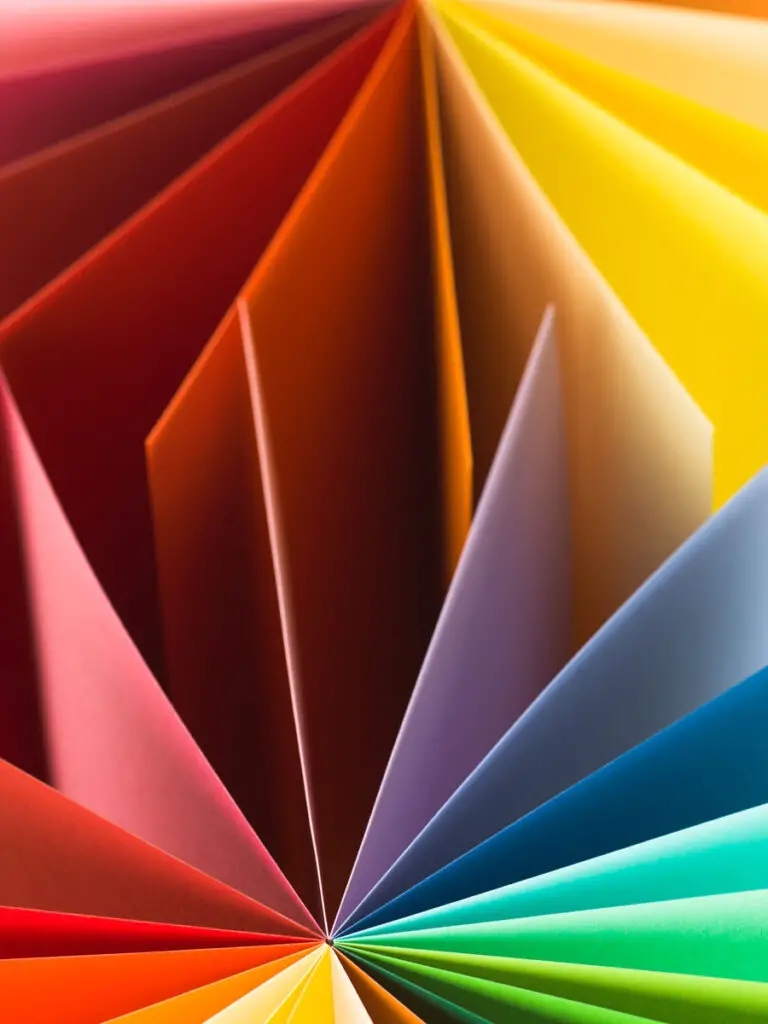
Rotational Symmetry is what you see when a shape or pattern is rotated around a point (also called the origin). You’ll see radial symmetry in a flower, architectural domes, car wheels, a fan, or even an Oreo biscuit.
In these images, you see a graphical element that radiates outwards from a central point of focus. They also draw attention to that central point, giving it prominence.
Items with rotational symmetry needn’t be circular, they could form triangles, pentagons, hexagons, or other polygons with an increasing number of sides… The common factor is that there is a visual that repeats itself around a central point.
Helical Symmetry
Helical Symmetry incorporates radial symmetry and translational symmetry. An object is translated and rotated around a line in 3-Dimensional space to form a screw axis.
3. Translational Symmetry In Photography
Translational Symmetry is simple to show, but a little complicated to explain. Translation Symmetry is when an object has been slid along a line, and been duplicated. Take stairs, for instance… each step is a duplication of the previous one, while it has been slid higher along a diagonal line.
It is not flipped, or rotated about an axis; rather it is as if a duplicate of the object has been created. We stay that the object has been translated along the axis.
Try to find objects that look like this, or to use such a concept in your composition.
Glide Reflection Symmetry
A good example of Glide Reflection Symmetry is animal tracks or human footprints in the sand.
They are seemingly reflected, but also displaced along the axis… like a reflection has glided along the axis. This makes it rather easy to understand from just the name alone.
This type of symmetry may be more difficult to use as a compositional device itself. However, it is useful to recognize the presence of this type of symmetry in the world around us and possibly to use it as a graphical element in your photography.
Other Types of Symmetry
Wikipedia lists other interesting forms of symmetry, and I encourage you to visit the page for more descriptive explanations.
Personally, I find Scale Symmetry and Fractals to be of particular interest, but fractals are an entirely different topic for us to explore and probably aren’t so easy to visualize in composition as ‘symmetry’ (Hint: Golden section is based on fractals).
How Is Symmetry Useful in Composition?
Reflection symmetry is often seen in photography. You’ll see it very often in architectural photography to show balance and presence. It is also an easy way to show off complex shapes.
However, you must remember that using static reflection symmetry very often can make images begin to seem static, and without any dynamism. This is desired sometimes, but not always. You must choose when it is appropriate. It is also very easy to distract from perfect symmetry. This is why the photographer must take care to ensure that verticals and horizontals are perfectly aligned to the edge of the frame to make this work.
Translational and Glide Reflection symmetry can bring in the dynamism that reflection symmetry lacks.
Dynamic Symmetry
Dynamic Symmetry is a visual method of constructing a composition that follows certain mathematical ratios and principles. It is based on the golden ratio, which is a mathematical ratio found in nature and in some artworks, and is used to create a pleasing and balanced composition. The idea is to create a composition that has a sense of motion and energy, and the use of dynamic symmetry allows for a more visually interesting composition.
While Dynamic Symmetry isn’t a form of symmetry, it is a method of composition and thus gains a notable mention in this article. Like the rule of thirds, it is a guideline that allows us to simplify the act of composing a photograph.
Asymmetry
Similar to Dynamic Symmetry, Asymmetry is NOT a type of symmetry. Instead, it is a method of creating unsteadiness or dynamism in a composition by not having elements symmetrical or balanced.
Asymmetry is an interesting way to create visual interest in a design. By purposefully unbalancing elements and placing them in an unexpected way, it adds an element of surprise and can help create a dynamic and eye-catching design. Asymmetry can be used to create a sense of movement or action within a design, creating a sense of tension that draws the viewer’s attention.
Mastering Symmetry in Photography Composition: A Recap
In the realm of photography, symmetry is a powerful compositional tool that can transform ordinary images into visually compelling masterpieces. It’s a concept that brings balance, harmony, and aesthetic appeal to your photographs.
Whether it’s reflection symmetry, rotational symmetry, or translational symmetry, each form offers a unique way to enhance your photographic compositions. However, it’s crucial to strike a balance. Over-reliance on symmetry can make your photographs appear static, so introducing elements of dynamic symmetry or even asymmetry can infuse your compositions with energy and motion.
As you continue to explore photography, keep symmetry in your front pocket to pull out at short notice to be used in your compositional strategies. The world is filled with symmetrical patterns just waiting to be captured through your lens. So, embrace the power of symmetry and let it guide your journey in photography.
Join The Symmetry Photo Project With Us
Beyond Photo Tips has a Photo Project about SYMMETRY; and you’re welcome to join us in its exploration. Join us and try your hand at using symmetry in photography.
Try out the Symmetry Photo Project, or one of the many photo projects that we have for beginners. They will allow you to develop your visualization and observation skills, and improve your abilities as a photographer.
As always, feel free to leave a comment and let me know if you found this article useful.
Help Us To Continue Creating
Get our email newsletter to stay up-to-date with our latest posts. It’s easy to read and is mailed once in 2 weeks.
The easiest way to support Beyond Photo Tips is by using our affiliate links when you buy anything at all. It will never cost you anything extra, and we get a small commission from it, which helps us a LOT! We share our recommended equipment list here.
Some of the links to products on this website are affiliate links, and we only ever link out to gear that we recommend.
You could also show your appreciation by buying us a coffee. Finally, we appreciate you being a part of the community, so do say hi!






absolutely wonderful photo, and symmetry concept is very useful. thanks for sharing