Affinity is Free - How It Works!

Ever since the initial Affinity launch announcement on October 30th, this question has been circulating the web. How is affinity free? And how can Canva afford to make affinity free for everyone? Well, somebody had to explain it, so that job fell to Canva’s co-founder and Chief Product Officer, Cameron Adams. Here he is in this short video explaining how and why Canva is able to make affinity free for all, forever, and why that’s a good thing for all creative people.
How is Affinity now free? - Affinity on YouTube
Addressing the Skepticism Directly
Adams didn’t dance around the elephant in the room. Professional creative software has carried expensive subscriptions and paywalls for decades, so the announcement naturally triggered suspicion.
His response was blunt: “Let me be absolutely clear. There is no catch.”
No data selling. No AI training on user files. No hidden monetization. As Adams emphasized, “Your work stays yours always.”
The Philosophy Behind Free
Why eliminate revenue from a professional-grade creative suite? Adams framed it as both ideological and practical:
“Because we believe every designer deserves access to tools that respect their craft,” he explained. The industry, according to Adams, needs “a shift from gatekeeping to generosity.”
But ideology needs infrastructure. Adams pointed to Canva’s established business model as the foundation that allows this move “without compromising on product quality or user trust.”
What Users Actually Get
The free offering isn’t stripped-down:
- Full professional features — all current capabilities remain
- Ongoing updates — development continues
- No paywalls — forever, according to the announcement
- Optional Canva integration — premium subscribers get AI and select Canva features within Affinity
The core Affinity apps that professionals know remain unchanged and fully accessible.
The Business Strategy
Adams was transparent about the growth logic. When professional designers adopt Affinity, entire organizations follow: “Pro designers lead the visual workflow. If they build in affinity, they’re more likely to scale in Canva.“
Marketing teams, sales departments, and business operations naturally gravitate toward tools their designers already use. Free Affinity becomes the entry point to Canva’s broader paid ecosystem.
Trust Must Be Earned
Adams concluded with an acknowledgment that skepticism is healthy: “We know trust is earned. So ask questions, kick the tires, hold us to a high standard.”
Whether this represents genuine democratization of creative tools or aggressive acquisition strategy remains to be seen. But the tools are undeniably free, and Adams’ explanation provides the clearest picture yet of how Canva plans to sustain it.
What’s your take? Do you believe the narrative? If you don’t, will you take advantage of the free tools being offered anyway? Share your thoughts in the comments below.
Related Posts
What's New in Affinity 3.2: What Photographers Actually Need to Know
Affinity 3.2 landed on April 16, 2026, just one month after the 3.1 update. Canva's development pace seems to have picked up since making Affinity free, and this release is the most substantial one yet for photographers…

Affinity System Requirements v3.2 (2026)
Affinity System Requirements for Image, Vector, and Layout editing. We tell you what computer can you use for working in Affinity by Canva.
Affinity Is Now Forever Free, and It’s Just One App
On October 30th, Canva announced that the three Affinity Design Suite apps, Photo, Designer, and Publisher were being replaced by one single app that does it all. Most significantly, they announced that this new app…
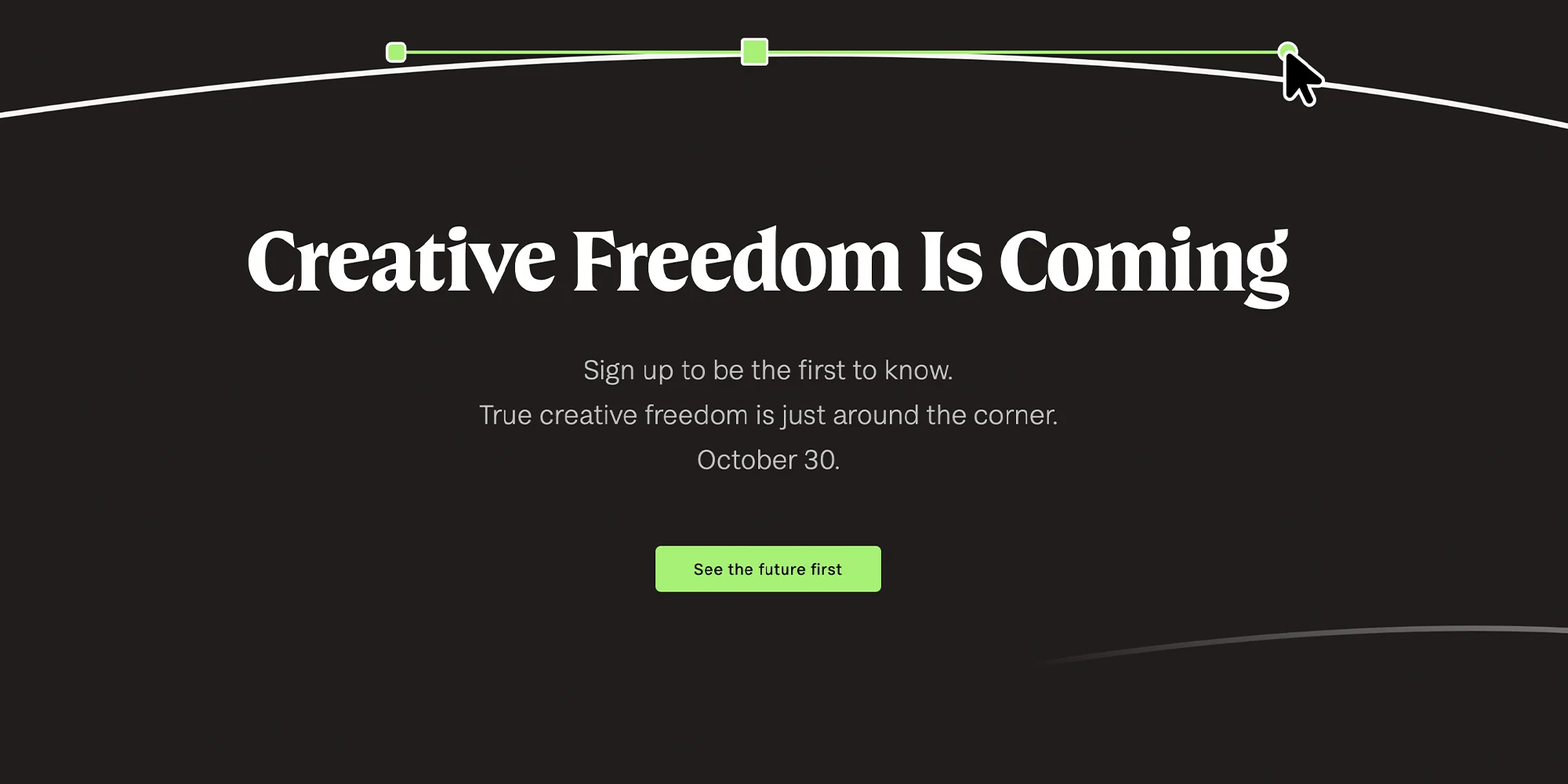
Affinity Says: Creative Freedom is Coming…
Creative Freedom is coming… Announces a banner on the affinity.com website. What does this mean for Affinity suite users, and the community?