
Why Filters are Fun
Using filters have always been a fun part of my photography. They allow you to take a photograph of a normal scene, and make it look extraordinary. There are various kinds of filters; coloured filters and special effects filters.
Digital photography allows you to apply much of what these photographic filters can do even after the image is captured, but sometimes using filters while taking your photographs makes a massive difference, especially when you use filters that dramatically change how the image is captured – like an ND filter or starburst filter. That’s when they become fun to use.
Coloured Filters
Colour Filters essentially add and subtract colour from the scene. For example, a yellow filter allows the frequencies of light that show up as yellow to pass through while reducing light of the opposite colour, blue. This is useful to know when you’re using filters for colour correction and when using filters for black and white photography. We’ll discuss those in more depth later, right now I want to get to the more interesting, special effects filters.
Special Effects Filter
1. Neutral Density (ND) Filters decrease the amount of light that goes through the lens without changing its colour. This is great if you want to use a slow shutter speed or ISO on a bright day… You could also use it when you need to use a smaller aperture for more depth of field. The effects that you can achieve with this filter are only limited by your imagination.
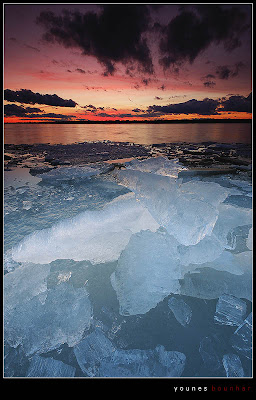
2. Graduated Filters are great on bright days when you want to get both your sky and land exposed well. Very often, we see pictures with well exposed land masses but totally white skies or vice versa, great blue skies but dark landmasses. A Graduated Neutral Density filter is clear on one side, but progressively gets darker, like an ND filter. There are also coloured graduated filters for other effects… Its important to remember that this gradation is affected by the aperture. The smaller the aperture (usually f/8 and smaller), the softer the apparent gradation. Large apertures could result in the gradation appearing as a narrow line…
3. Starburst Filters are good if the subject that you’re photographing is dark point sources of light. Take a small city lane at night, for example, most of the scene is dark with some lit areas and some street lights. The streetlights are point sources of light and when used with this filter will diffract into star patterns.
4. Diopter Filters are also called close up lenses. The allow you to focus at closer distances, making it ideal for close up or macro photographs. They are cheap compared to macro lenses or extension tubes/bellows and are a great way to explore the world of macro photography without the expenditure.
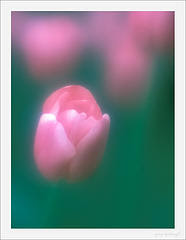
5. Soft Focus Filters are filters that slightly diffuse a photograph. Most soft focus filters have a more pronounced effect in the brighter areas of the photograph. As the name suggests, Soft Focus Filters make the photograph look soft. This is useful for portraits where the photographer wants to achieve a nostalgic or ethereal look or maybe just give the photograph a diffused, glowy feel. Some photographers also use an old UV filter smeared with a thin coating of petroleum jelly to get a similar effect. The advantage of using this method is that the photographer can smear the outer edges alone and leave the center sharp.
An important point to note is that cameras with Through The Lens (TTL) metering – which means all modern SLR cameras – will automatically adjust for all filters that are fitted in front of the lens. So, don’t worry about compensating for them. If you have an older camera which uses manual metering, and uses a lightmeter that does not take readings through the lens, you may have to compensate for each filter’s filter factor.
But remember, no matter what filters you use, it’s the content and composition that will make your pictures stand out. Filters only help you capture what you’ve got in your mind.